ab workout fitness: cardio fitness
Showing posts with label cardio fitness. Show all posts

Saturday, 19 November 2022

chest training,


“What are the best chest exercises to build my pecs?”
This is one of the most common questions that lands in my inbox on a weekly basis, and it’s no secret that the majority of lifters out there place chest training at the very top of their list of muscle building priorities at the gym.
In this post I’m going to outline a highly effective sequence of 3 individual chest exercises that I personally recommend to maximize your overall gains in pec mass and thickness.
Rather than blindly telling you to “do these exercises for this many sets and reps”, I’m also going to give concrete reasons for why each exercise has been selected and why I recommend performing it in place of other possible alternatives.
These lifts should be executed in the exact order that they’re listed and will give you a complete, well-rounded pec workout for consistent size and strength increases.
Do keep in mind that there are a million and one ways that you could effectively train your chest, and I’m not claiming that this is the be-all-end-all by any means. Any set of exercises that allows you to place the pecs under tension and consistently add weight over time will result in significant gains in muscle size and strength.
However, this is a specific sequence that I believe will be particularly effective for most people for all of the reasons I’m about to explain…


Chest Exercise #1: Flat Or Decline Dumbbell Press
flat dumbbell press
In my view, these are the two very best chest exercises to select from as they utilize the best chest training tool available (dumbbells) at the optimal angle (flat/decline) to maximize pec hypertrophy.
Either variation is fine, and I simply recommend selecting the one that you most prefer and that you use it as the primary exercise in your chest training routine.
What makes the flat/decline dumbbell press the best choice to build chest mass as effectively as possible? Let’s go over it…
First off, why a dumbbell press rather than a barbell press?
I’ve talked in detail about the barbell press vs. dumbbell press for building chest size in previous posts, but I’ll quickly summarize the main points here…
* The primary function of the pecs is horizontal adduction of the humerus (bringing your upper arm across the front of your body), and dumbbell presses offer a superior range of motion through this function since the hands and arms can be brought together rather than being locked onto a fixed bar.
adduction of the humerus
* Dumbbell presses force each arm to move independently, which prevents strength imbalances and ensures consistent development across the entire chest.
* Dumbbell presses reduce the chance of shoulder injuries since you can position your hands more comfortably and press your hands in a more natural arching motion.
Secondly, why the flat/decline angle?
The pec muscle is comprised of two main portions: the upper clavicular fibers (otherwise referred to as the “upper chest”) and the lower sternocostal fibers.
While some upper chest training is definitely important (we’ll cover this in the second exercise), it’s actually the lower fibers that make up the vast majority of the pec muscle.
upper and lower chest
For that reason, you’ll want to specifically target these fibers when your strength and energy are at their peak, and a flat or decline angle places your body into the proper position for this.
To start off your pec workout, perform 3-4 sets of flat or decline dumbbell presses for 5 to 7 reps per set.


Chest Exercise #2: 30 Degree Incline Dumbbell Press
incline dumbbell press
As I just mentioned, targeting the upper clavicular fibers is still important for complete chest development from top to bottom, and an incline dumbbell press is the best way to accomplish this.
You’ll be using dumbbells here for the same reasons we just talked about, and you’ll be using the 30 degree incline since this properly angles your body for direct stimulation of the upper chest.
Perform 3-4 sets of incline dumbbell presses for 5 to 7 reps per set.


Chest Exercise #3: Cable Flye (High-To-Low Angle)
cable flye
To finish off your pec workout you’ll be performing a cable flye utilizing a high to low angle. Flyes isolate your pecs at a slightly different angle than presses and are a great way to round out your chest routine for complete pec development.
There are a ton of different flye exercises you can choose from, such as dumbbell flyes, cable flyes and machine flyes, but as I discussed in my previous post (The Best Chest Fly Exercise), cable flyes are definitely the superior choice.
First off, why use cables rather than dumbbells?
Simple: because of the direction that gravity is pulling the weights (straight up and down) and the path that the weights are traveling in, dumbbells only provide a high degree of tension on the pecs in the bottom half of the range of motion.
flat dumbbell chest flye
As you press the weights up past halfway the tension gradually decreases on the pecs, and at the very top of the movement there is very little to no stress on these muscles at all.
Cable flyes solve this by pulling the resistance out to the sides rather than straight up and down. As a result, you’ll be placing your pecs under significant tension both at the very bottom of the movement all the way into the fully contracted position.
Secondly, why the high-to-low angle?
Setting the cables high up on the stand and pressing them downward places the resistance in line with the lower sternocostal fibers where the bulk of your chest mass is located.
And since the upper chest makes up such a small portion of your overall pecs, there’s no need to directly train it any further using a flye movement if you’re already performing an incline press as part of the workout.
To finish off your pec workout, perform 3-4 sets of cable flyes at a high to low angle for 8 to 10 reps.
There are 3 main questions I usually receive in response to these recommendations, so let me quickly address them here…
“Why Are There No Barbell Presses Included?”
flat barbell bench press
There’s nothing wrong with a barbell press, and it certainly is an effective chest exercise for building size and strength.
However, the truth is that there is no necessity for a barbell press in a routine that is designed for muscle hypertrophy, as it doesn’t offer you anything that a dumbbell press does not, but yet does pose several disadvantages which we discussed previously. (See previous post “Are Bench Presses Necessary” for more info)
“Why Are Wide-Grip Dips Not Included?”
wide grip chest dips
Contrary to traditional bodybuilding advice, if you examine the exact mechanics behind a wide-grip dip you’ll see that it actually isn’t a great movement for maximizing chest gains.
Dips primarily involve flexion of the shoulder and extension of the elbow (rather than adduction of the humerus), meaning that they mostly hit the front of the shoulders and the triceps rather than the pecs.
They also place the shoulder joint into an awkward position and are easily the most dangerous pressing exercise you can perform at the gym.
Again, dips certainly will allow you to build your chest, and performing them doesn’t automatically mean you’ll get injured, but all things considered, the risk-reward just isn’t worth it, especially when you already have superior chest exercises in your arsenal anyway.
“What About Targeting The Inner And Outer Chest?”
inner and outer chest
There are no are exercises specifically for this purpose because it’s simply not possible to target the inner or the outer chest over any other portion of the muscle.
You can target the upper or lower chest because you’re dealing with two different sets of fibers, but you can’t target the inner or outer because when one portion of the same set of fibers fire, the entire set of fibers will fire with it.


The Perfect Pec Workout: Review
So, that’s all there is to it…

Flat Or Decline Dumbbell Press: 3-4 Sets of 5-7 Reps
Incline Dumbbell Press: 3-4 Sets of 5-7 Reps
Cable Flye (High-To-Low): 3-4 Sets Of 8-10 Reps
Again, there are an endless number of different ways you could train your pecs for mass gains, but this is particular routine utilizes the most effective chest training tools available and at the proper angles to allow for effective, balanced stimulation of the chest, and in a safe and sustainable way.

Sunday, 16 July 2017

the truth about grill meat,


Most people aren't aware that when you cook meat (whether it's grilled, broiled, or seared) there are carcinogenic compounds that can form called HCA's (heterocyclic amines).  Now don't panic...you ingest various carcinogens all the time, even with some vegetables. You can always protect yourself with more antioxidants.


Please Note:  When you cook meat in a water base as opposed to grilling, broiling, or searing, you eliminate the HCAs. So for example, meats cooked in a soup, or meats cooked in a crock pot will not have the problem of the carcinogenic HCAs and is a healthier way to cook meat.


But let's face it... grilled meat tastes awesome and there's no way I'm giving up my grass-fed steak from the grill, or my grass-fed burgers!


That's why it's important to know that there's a way you can use spices to both counteract, and also drastically reduce the carcinogens formed when you grill meat...


If you're going to grill meats, marinating meats for hours beforehand in liquid mixtures that contain rosemary and other herbs/spices can dramatically help to reduce HCA's (heterocyclic amines), which are carcinogenic compounds that can form when meats are grilled.  So using rosemary, thyme, garlic, oregano and other spices in a meat marinade before grilling meats can drastically reduce any carcinogens that normally would form on grilled meat. 


The antioxidants in rosemary and thyme from a marinade were specifically cited in studies at being powerful inhibitors of HCA formation when grilling meats.  But it was also noted that other spices such as garlic, oregano, and others can help to prevent HCA formation as well, so I suggest using a variety, which tastes great anyway!


One more important point about grilling meat:


Remember that the more well-done a meat is cooked, the higher concentration of carcinogenic HCA's can form, so rare, medium-rare, or medium are healthier choices than well-done.  I've never understood why anybody would want to ruin a good steak by burning it to oblivion anyway.  But hey, if you're one of those folks that likes your steaks well-done, just remember that you're eating a lot more carcinogens than a steak that's cooked less, so make sure to load up on your antioxidants (spices, teas, berries, etc) to help combat those extra carcinogens.  


Washing down your barbequed meal with a glass of unsweetened iced tea (rich in antioxidants) and also a good salad with lots of raw veggies can provide the antioxidants needed to counteract the effect of HCAs in your body from grilled meat. 


By the way, even charring vegetables on the grill creates different carcinogens such as acrylamides, so don't think that the negative effect of charring only applies to meats.


Hey, we all love a great barbeque, so no need to give that up just because of HCAs or acrylamides, but at least now you know how to counteract the effects of these in your body to protect yourself, and also how to use spices to drastically reduce the formation of HCAs on grilled meat!


Lastly, did you know that the TYPE of meat you may be grilling on a regular basis can be destroying your metabolism and health?


It’s true!


The truth is that grilling a grass-fed steak, burger, organic chicken breast or thigh, and many other types of meat can not only be on of the healthiest meals to prepare, but also BURN belly fat because of the high protein content, healthy CLA fats, as well as full amino-acid profile, and many other fat-fighting and metabolism boosting qualities of high quality meat…


However, you really need to pay attention to the type of meat you’re purchasing.  While many health and medical experts caution the consumption of meats claiming they can “cause heart problems,” and many other scare tactics, there are no scientific studies showing this when you're talking about high quality, organic and pasture-raised meats.  Most of the negative studies on meat refer to processed meats laden with chemicals, such as hot dogs or lunch meats, but not a good grass-fed steak.


Animals that are raised in high-population commercial farms are fed mostly corn, corn by-products, and other grains, that completely change the chemistry of the meat you’re preparing.


They turn an otherwise healthy & fat-fighting meal into a health-destroying, inflammtory, fat-GAINING meal.


So the next time you’re at your local butcher or grocery store, make sure to seek out the highest quality pasture-raised meats, loaded with more vitamins, minerals, and healthy fats.


Not only will they taste better, but they’ll also be much better for your waistline and health.


Tuesday, 23 May 2017

cardio exercise a scientific look


Performing cardio on an empty stomach (usually first thing in the morning after an overnight fast) has been a popular fat burning strategy among bodybuilders for many years.
It seems to make sense…

Since there is no food in the stomach, and since glycogen levels are low, the body will be forced to utilize more body fat for energy during the session. As a result, you’ll lose fat faster.

But just like the “eat protein every 3 hours” rule, the post workout shake obsession and the “eat clean 24/7” approach, fasted cardio appears to be yet another piece of traditional bodybuilding advice that comes up short.

Although this ultimately a highly complicated issue, let’s go over the key points…

First off, the body is a far more intricate and dynamic system than most of us could ever imagine.

Its specific use of fuel during exercise is constantly changing and is affected by a ton of different internal factors, such as different hormones and enzymes. The attempt to burn greater amounts of fat by exercising on an empty stomach is an extremely simplistic approach to a far more complex overall picture.

Secondly, worrying about what happens in small spans of 30-60 minutes is an incredibly short-sighted view of fat loss.

The process of losing fat is all about the big picture and what you do over the course of several days (not hours) is what’s really important.
For example, it appears that if more carbohydrates are burned during exercise, you’ll simply end up burning more fat later on in the day.

In the same way, if you burn more fat during exercise, more carbohydrates are burned later on. In other words, looking at overall 24 hour energy expenditure seems to be the most important factor by far.

Thirdly, cardio on an empty stomach doesn’t appear to burn more total fat in comparison to having a meal first.

Fasted cardio does appear to increase lipolysis (the amount of fat that is broken down), but does not increase fat oxidation (the amount of fat burned).

In other words, fasted cardio causes the body to break down more fat than it can actually use for energy. And when it comes to fat loss, the limiting factor is fat oxidation, NOT lipolysis. In the end, those fatty acids that aren’t used for fuel are simply re-stored as body fat.

Fourth, a pre-cardio meal increases the thermic effect of exercise.

Not only does fasted cardio have minimal to no direct effect on fat loss, but fed cardio may actually be superior. This is because having a meal first appears to increase post exercise oxygen consumption (EPOC) due to an increase in thermogenesis (calories burned as heat).

Fifth, performing cardio in a fasted state reduces exercise intensity.

At the end of the day, effective cardio is all about maximizing the total number of calories burned. The more total intensity you generate, the greater the calorie-burning effect will be.

In most individuals, performing cardio first thing in the morning on an empty stomach will have a significant negative impact on overall exercise intensity in comparison to having a meal first.

Lastly, fasted cardio causes a greater degree of muscle loss.

The research has shown that nitrogen losses are nearly doubled when cardio is performed on an empty stomach.

If you’re aiming to burn fat while maintaining as much muscle as possible, fasted cardio is probably not the smartest choice.
So, to sum this all up…

Not only does fasted cardio appear to NOT increase fat loss during exercise, but it may actually lower the total amount of fat burned due to a decrease in post exercise oxygen consumption and overall training intensity. In addition, fasted cardio causes you to lose more muscle.

Bottom line?
If you’re looking to maximize fat loss while minimizing muscle loss, it’s probably best to get a meal in at least a few hours prior to your cardio sessions.

Fasted cardio does not produce any clear fat burning advantages, and if anything, it may be counterproductive.

Thursday, 18 May 2017

WHY EXCESSIVE CARDIO CAN ACTUALLY MAKE YOU FATTER


It may seem counterintuitive.
After all, if the ultimate goal of losing fat is to maintain a calorie deficit over time by consistently burning more calories than you consume, how could a calorie-burning tool such as cardio end up working against you?

Well, just take a look around your gym for firsthand evidence.
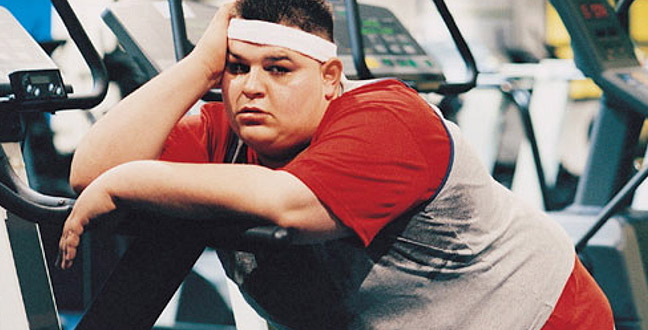
It’s all too common to see those same guys and girls who show up day after day… month after month… even year after year… and still don’t appear to have made any real progress.

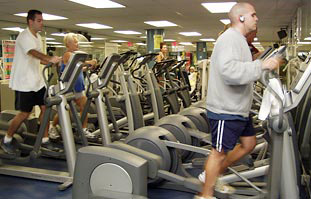
In many cases, despite sweating on that treadmill, stairstepper or elliptical for literally hundreds of hours combined (in combination with plenty of time in the weightroom), they actually appear to have gained even more body fat than they started out with.
How is this possible? How is it possible that someone could put so much effort into their training program and actually end up travelling farther away from their goals rather than closer to them?

Simple: although the act of performing cardio does burn calories in the short term, it also stimulates your appetite as well.

When you combine this with the fact that the majority of people aiming to lose fat do NOT track their daily calorie intake with any real accuracy (they simply wing their diet and “eat healthy” throughout the day), and you end up with a real potential problem.

For example, let’s say you performed an hour of cardio 5 days a week, burning 400 calories per session and 2000 calories per week.

That’s all fine and good, but what happens if the appetite-stimulating effect of those same 5 sessions caused you to unknowingly consume, for example, an extra 350 calories per day?
By the end of the week, you’d have burned 2000 calories from your cardio sessions, but would have also consumed an additional 2450 calories, for a net gain of 450 calories per week.

Trust me, this can happen much more easily than you think. Small dietary choices that you make throughout the day add up very quickly, and 350 calories really isn’t much.

A handful of nuts here… a piece of fruit there… small late-night snack…
If you’re constantly feeling hungry and you aren’t keeping track of your daily calorie intake, there’s an almost certain chance you’ll over-eat.

Cardio is not the only culprit here either; weight training or any other form of exercise will also have appetite-stimulating effects as well.

And the simple reality is this: it absolutely does not matter how “healthy” your diet is or whether you’re eating nothing but plain chicken breast, oatmeal and broccoli all day long… 

if the total number of calories you consume is equal to or greater than the total number of calories that you burn, you are NOT going to lose an ounce of fat, period.

This is known as “the law of energy balance”, and there’s no way around it. In order to lose fat, you must maintain a calorie deficit over time by burning more calories than you consume. Plain and simple.

The key is in finding a proper balance between your training program and your diet that allows you to remain in a calorie deficit throughout the week without causing you to feel excessively hungry.

So, here are 3 immediate steps you can follow right away to help you in this process…

First off, stop over-emphasizing cardio and treating it as the be-all-end-all of fat loss.

Cardio is simply one tool in your arsenal to help you burn additional calories, and most people way over-value it.

As long as your diet is properly structured, 3-4 cardio sessions per week is easily going to be enough for the vast majority of trainees, and some will do just fine with even less than this.

Secondly, include some high intensity interval-based cardio as part of your overall plan.

High intensity interval training sessions (or “H.I.I.T” for short) in the range of 8-20 minutes do not stimulate your appetite to the same degree that traditional slow pace cardio does (in some cases it may even blunt your appetite), 

and while burning more total calories at the same time. However, because this type of cardio is more stressful to your body as a whole, you can only perform so much before you start getting burned out.

Aim to perform a balanced mix between these two types of cardio throughout the week. For example, 1-2 aerobic sessions lasting 45-60 minutes and 1-2 H.I.I.T sessions would be a good approach.


Third, start tracking your total calorie intake in more detail.

This is by far the most important step of all.
If you’re just eating “on the fly” throughout the day and don’t have a reasonable idea of how many calories you’re consuming in total, your overall progress will definitely be compromised or even eliminated altogether.

Once you have these 3 steps in place, you can simply test and tweak from there to see what works best for you in terms of maintaining your calorie deficit while managing your overall hunger levels.

Some people prefer to create a larger calorie deficit through their diet by reducing their overall food intake and scaling back on the cardio, while others prefer to consume more food throughout the day and burn more of their calories using exercise.